ASBESTOS ABATEMENT · MARPOLE, BC
Asbestos Abatement in Marpole, BC
Testing and removal for Marpole properties. We connect you with a local contractor who handles asbestos safely and to British Columbia’s containment standards.
Call (778) 562-8156Vancouver Asbestos Abatement operates this website and connects local customers with local contractors. We don’t do the work ourselves and we don’t check any contractor’s qualifications, so confirming that is up to you before you hire.
Request sent
A local contractor will reach out shortly. Watch for a call from an unknown number.
Asbestos testing and removal for Marpole
If you own an older property in Marpole, asbestos is worth checking for before any renovation, as disturbing it is what releases dangerous fibres. We operate this website and connect property owners across Marpole, including postal codes V6P and the nearby area, with independent local asbestos abatement contractors for testing, removal, and disposal.
Marpole is a south Vancouver neighbourhood along the north bank of the Fraser River, one of the oldest continuously inhabited areas in the region, with roots in the ancient Musqueam village of c̓əsnaʔəm. As a modern neighbourhood it grew from the early 1900s around the rail and river industry and filled in through the mid-century, mixing older houses with post-war homes and newer apartment development along Granville Street. That early-1900s-through-mid-century housing is the reason asbestos is a live concern: homes built from the 1910s through the 1970s routinely contain asbestos in original plaster and stipple, vinyl-asbestos flooring, pipe and duct insulation, drywall joint compound, and vermiculite in attics. As Marpole's homes are renovated and its older lots redeveloped, that work regularly disturbs asbestos sealed in place for generations.
Marpole is a south Vancouver neighbourhood of pre-war and mid-century homes near the Fraser River, where the age of the housing stock makes asbestos common in original flooring, ceilings, and insulation. That is exactly why testing before you renovate matters here: a property of this era can hold asbestos in materials that look completely ordinary, and only a lab test tells you for certain. Once you know what is present and where, the work can be planned safely rather than discovered mid-demolition.
What shapes asbestos work in Marpole
Marpole's pre-war and mid-century housing stock makes asbestos a routine consideration on renovation and redevelopment jobs here. The older houses and post-war homes of the neighbourhood were built and updated across the decades when asbestos was standard, so it commonly appears in original plaster and lath, stipple ceilings, vinyl-asbestos floor tile and mastic, drywall joint compound, pipe and duct insulation, and vermiculite attic insulation. With many Marpole homes being renovated and older lots redeveloped, both the remodelling and the demolition disturb these materials.
The dependable first step is testing before any renovation or demolition, so the scope is clear before demolition starts. A local contractor can arrange professional sampling and lab analysis, and when removal is needed, the abatement follows WorkSafeBC containment rules to seal the area, keep it under negative pressure, and clear it before the space is reoccupied. Confirming a contractor's certification, insurance, and credentials is your responsibility as the owner. For Marpole's older homes and redevelopment lots, testing first keeps the work safe.
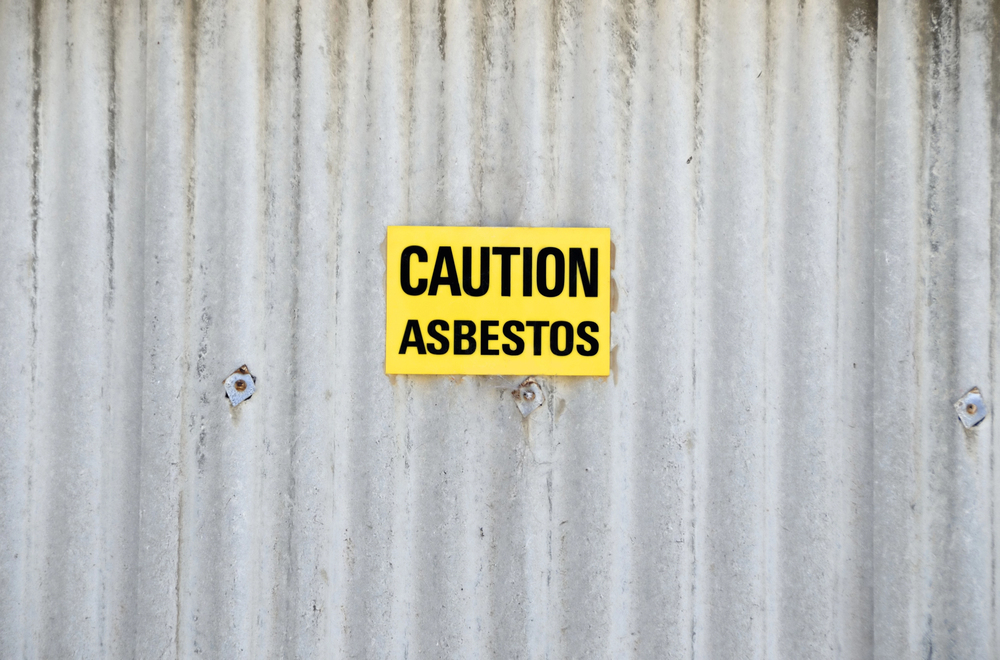
Asbestos in Marpole-area homes
The Vancouver area's housing stock is exactly why asbestos is such a live issue here, and understanding the local picture helps put it in context. Vancouver grew through the early 1900s streetcar era and then enormously through the post-war decades and again through the 1960s, 1970s, and early 1980s, which means a very large share of the region's homes were built during the peak decades of asbestos use in construction. The mature west-side and east-side neighbourhoods, Kitsilano, Mount Pleasant, Grandview-Woodland, Kerrisdale, Shaughnessy, and the others with early-1900s and mid-century homes, are full of the plaster, stipple ceilings, vinyl flooring, and pipe insulation eras where asbestos is common, and the nearby cities like Burnaby, New Westminster, and North Vancouver carry the post-war-through-1980s stock where it's equally likely. On top of that, Vancouver has one of the most active renovation and redevelopment cultures in the country: character homes are constantly being restored, basements converted to suites, laneway houses added, and older lots torn down for new builds, and every one of those activities is a moment when asbestos can be disturbed. With so much of the region's housing predating the mid-1980s and so much of it under constant renovation, asbestos in older buildings is the rule rather than the exception here. None of this is cause for alarm about intact material, but it does mean that on any older Vancouver-area property, asbestos should be assumed possible and tested for before renovation, not treated as an unlikely surprise.
Why a local contractor matters
There's a real advantage to working with an abatement contractor who knows the Vancouver area rather than a generalist passing through. Someone who does this work locally knows the region's housing stock intimately, which materials to expect in a 1920s Kitsilano Craftsman versus a post-war Burnaby bungalow versus a converted Mount Pleasant heritage house, and that knowledge makes their inspections more thorough and their scopes more accurate. They know the WorkSafeBC requirements that govern this work in this province, the notification thresholds, the containment and procedure rules, and the worker-protection standards, and they deal with that regulatory side as a routine part of the job. They know which local accredited labs to use for sample analysis and which approved facilities accept asbestos waste in the region, so the disposal chain is handled properly. And they understand the local renovation and real-estate context, the pre-purchase inspections, the character-home restorations, the laneway-house and suite conversions, that drive most asbestos work in Vancouver. That local grounding is what separates a contractor who treats your property as a generic job and one who knows exactly what a home of its age and neighbourhood is likely to contain and how to deal with it to British Columbia's standard. It's a large part of why property owners are better served connecting with contractors who work these conditions regularly, and it's exactly the kind of contractor we connect you with.
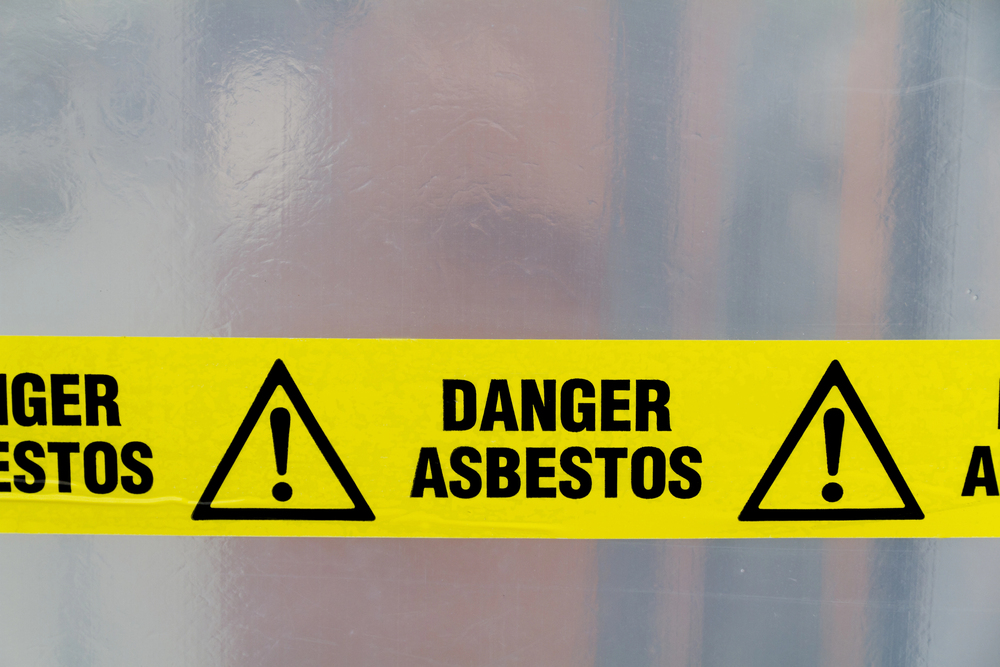
Why asbestos is only dangerous when disturbed
The single most important fact about asbestos is that it's a threat only once it's disturbed, and everything else follows from that. Sealed inside a wall, tucked under flooring, or wrapped around an old pipe, asbestos-containing material sits there harmlessly for decades. The trouble starts when someone breaks, cuts, sands, drills, or tears it out, as that scatters microscopic fibres into the air to be breathed in and lodged in the lungs. So the moments that turn asbestos dangerous are the ordinary ones, a kitchen renovation, a plumbing repair, a flood cleanup, a demolition, which is also why a building's age matters so much. Around Vancouver, the properties most likely to hold asbestos went up before the mid-1980s, and the risk climbs for anything built before 1980. Builders reached for asbestos for years precisely as it was cheap, fireproof, and long-lasting, so it ended up woven into dozens of everyday products. The safe path is simple to state: find out what actually contains asbestos before a tool touches it, then either leave that material alone or have a professional abatement contractor take it out under controlled conditions. Testing replaces guesswork with fact, and containment keeps a removal from spreading contamination through the rest of the building. Neither is something to wing, which is why owners connect with contractors who work to the standard British Columbia sets rather than treating the job like a routine tear-out.
Where asbestos hides in older homes
Seeing where asbestos tends to hide in an older Vancouver property makes it obvious why testing has to come before any renovation. In homes raised before the mid-1980s, it turns up in a startlingly long list of materials: vinyl floor tiles and the black mastic under them, sheet flooring and its backing, drywall joint compound and textured or stipple ceilings, plaster, pipe and boiler insulation, duct wrap and tape, cement board and siding, roofing felt and shingles, window putty, and vermiculite in the attic. Some of these are the usual suspects, but others catch people off guard, joint compound and stipple ceilings in particular are everywhere in mid-century homes and get disturbed by the most routine work. What makes it treacherous is that asbestos-containing materials look identical to their modern asbestos-free counterparts; the eye can't tell them apart. A 1960s vinyl tile and a new one can be indistinguishable, and only a lab test on a physical sample settles it. That's the reason a real inspection pulls samples from several suspect materials across a property instead of assuming. For someone about to gut a kitchen, develop a basement, or swap out flooring, testing first pays off by mapping precisely what's present and where, so the renovation can be built around it, whether that means safe removal beforehand or a plan that leaves the material untouched.
How testing and inspection works
Everything downstream rests on a proper inspection and testing process, and it's more than yanking one sample. A qualified inspector walks the property, flags every material likely to hold asbestos given the building's age and construction, and collects representative samples of each distinct material type using the sampling protocols that keep the results trustworthy. Those samples travel to an accredited lab, which examines them under microscopy to confirm whether asbestos is present and frequently its type and concentration. Out of that comes a clear report spelling out which materials contain asbestos, where they sit, and what shape they're in, and that report is what makes safe planning possible at all. It tells you whether a material can be left be, whether it has to come out ahead of your renovation, and how big any abatement would be. For a real-estate deal, pre-renovation planning, or simple peace of mind in an old house, documented fact beats assumption every time. Testing also shields you legally and financially: disturbing asbestos during a renovation, whether you meant to or not, can flip a tidy project into a costly contamination cleanup and put family or trades at risk. A local contractor can arrange professional sampling and accredited lab analysis so that any decision, remove, seal, or leave alone, stands on evidence rather than a guess about how old the building is.
What asbestos work costs in Marpole
A handful of real variables drive what asbestos work costs, and any honest contractor insists on seeing the property first, since a phone estimate helps nobody. Testing and inspection is the smaller upfront outlay, priced by how many samples and how broad the survey, and it's the step that reveals whether you need abatement at all. If removal is called for, its cost rides mainly on the type and quantity of material, how reachable it is, and how much containment the job demands. Pulling vinyl-asbestos tile from an open room is nothing like stripping pipe insulation from a cramped mechanical room or clearing vermiculite out of an attic, and the containment, negative-air rigging, and disposal requirements scale right along with it. Friable materials, the ones that crumble and shed fibres readily, need tougher containment than stable, non-friable ones, and that shows up in the price. Proper disposal at an approved facility is its own real line item, as asbestos waste has to be sealed, labelled, and hauled to a site licensed to take it. Since all of this swings so widely by property, a number you can rely on only comes from a contractor who has assessed the real material, location, and scope. Watch out for a sight-unseen quote or a price far under the rest, which typically means containment or disposal corners are being cut, exactly where cutting corners is most dangerous.
Want a number for your Marpole property? The fastest way is a quick call. Tell us the age of the building and what you are dealing with, and a local contractor can get back to you with next steps and a price.
If leaving it in place is the correct call
One thing people rarely expect to hear about asbestos is that leaving it alone is sometimes the correct call, and a good contractor will say so rather than sell you a removal you don't need. Asbestos-containing material that's in good shape, sealed, and somewhere it won't be disturbed generally poses no immediate hazard, and British Columbia guidance accepts that intact, undisturbed material can frequently be managed safely in place instead of ripped out. The decision turns on condition and disturbance. Vermiculite resting untouched in a sealed attic you never enter is a world apart from pipe insulation flaking in a basement where kids play, or a stipple ceiling you're about to sand. If material is stable and the area isn't being renovated, an inspector may advise leaving it put, sometimes with encapsulation, a sealant that locks the fibres down, plus periodic monitoring. If you're renovating, when the material is damaged or friable, or when it sits in a high-traffic spot, removal becomes the safer route. That's exactly why testing and professional judgment beat any blanket rule: the correct move depends on your specific material, its condition, and your plans for the space. A credible contractor gives you a straight read on whether removal is genuinely needed now, protecting both your safety and your budget instead of treating every finding as an automatic teardown.
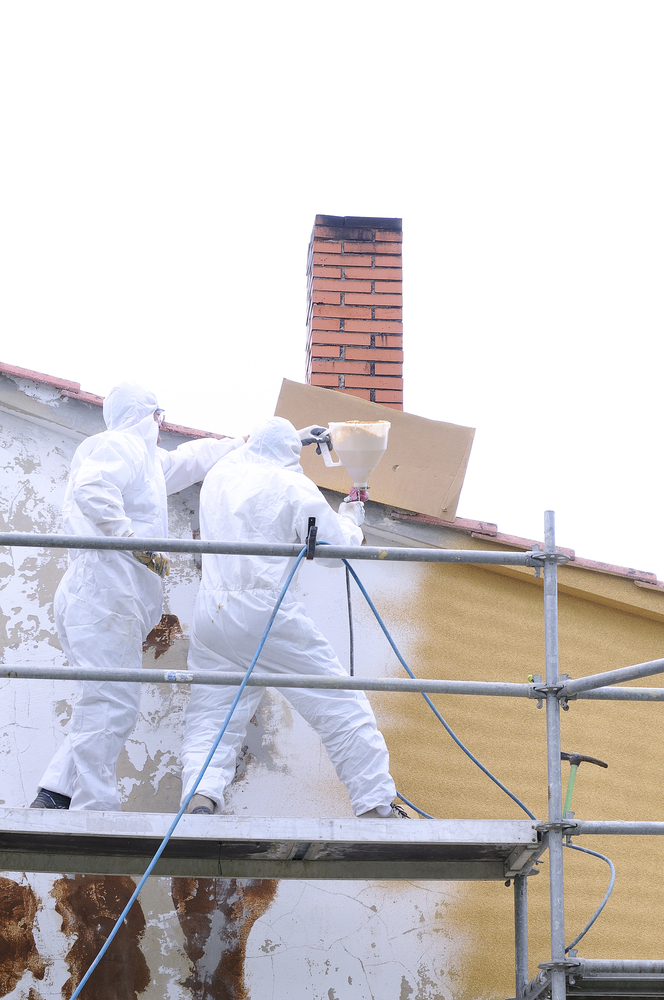
The health risks that make this matter
The health case for treating asbestos seriously is settled science, and it's the real reason all the care and regulation exist. Disturbing asbestos-containing material releases fibres far too fine to see, and once inhaled they can bury themselves deep in lung tissue, where the body can't break them down or clear them out. Over years and decades that can produce serious disease, asbestosis, a scarring of the lungs, lung cancer, and mesothelioma, a rare, aggressive cancer of the lung or abdominal lining caused almost solely by asbestos. These illnesses typically surface decades after exposure, which is part of what makes asbestos so insidious: the harm is invisible and delayed, so a dangerous exposure now may show nothing for twenty or thirty years. No safe level of exposure has ever been established, which is why the standard is to prevent fibre release rather than tolerate a little of it. It's also why doing the work properly matters far more than doing it fast or cheap. A DIY removal that skips containment endangers not only the person doing it but the whole household, as fibres spread through a home settle into carpets, furniture, and ductwork and keep exposing a family long afterward. Expert abatement exists for exactly this reason, to trap fibres at the source and take them away safely, protecting everyone who lives in the building now or later.
How proper containment protects your home
Containment is the beating heart of safe asbestos removal, and it's what divides professional abatement from a reckless DIY job. If a professional abatement contractor takes asbestos out, the work zone gets sealed off from the rest of the building with heavy poly sheeting, and the space is held under negative air pressure by HEPA-filtered machines so any airborne fibres are pulled away from occupied areas and captured instead of escaping. Workers suit up in respirators and disposable coveralls and wet the material before removal to hold fibres down. The stripped-out material is bagged and sealed in labelled, leak-tight containers while still inside the containment, then carried to a facility licensed to receive asbestos waste. Afterward the area is cleaned with HEPA vacuums and wet wiping, and in many cases air clearance testing confirms fibre levels are safe before the containment comes down and people move back in. Every one of those steps is there to protect the people in the building, the workers, and whoever occupies the space down the road. It's also why asbestos abatement is no place to improvise: the gear, training, and disposal access are specific to this work, and botched containment carries serious, lasting consequences. Hiring a professional abatement contractor buys you exactly that discipline, the assurance that fibres are held at the source and the property is truly safe when the job is done.
Your options in Marpole
The local asbestos abatement contractors we connect you with deal with the full range of asbestos work for Marpole properties: Asbestos Testing & Inspection Residential Asbestos Removal Commercial Asbestos Abatement Popcorn Ceiling Removal, and more. Not sure where to start? A quick call sorts it out.
Testing first
Professional sampling and lab analysis so you know what is present in your Marpole property before any work.
Safe removal
Contained abatement of flooring, ceilings, insulation, and more, to WorkSafeBC standards.
Specialized jobs
Vermiculite, popcorn ceilings, and disturbed-asbestos response handled with the correct precautions.
Serving Marpole and nearby
We connect Marpole property owners with local contractors, and cover the nearby streets and communities too. Don't see your exact area? Call (778) 562-8156.
Also serving nearby: Kitsilano Mount Pleasant Grandview-Woodland Kerrisdale Dunbar-Southlands · Vancouver home
Marpole asbestos questions
A handful of questions come up on almost every asbestos project, and it is worth having clear answers before you start. Here are the ones property owners ask most.
Can I remove asbestos myself?
It's strongly discouraged. Safe removal requires containment, negative-air HEPA systems, respiratory protection, proper wet-removal technique, and licensed disposal. Without those, a DIY job can spread fibres through your whole home and expose your family for years.
How much does asbestos removal cost?
It depends on the type and amount of material, how accessible it is, and how much containment the job needs. Testing is a smaller upfront cost. A contractor gives you a real number after assessing the specific material and scope, there's no reliable phone quote.
Where is asbestos typically found in older homes?
Common spots include vinyl floor tile and its adhesive, stipple and textured ceilings, drywall joint compound, pipe and duct insulation, plaster, cement board and siding, and vermiculite attic insulation. A thorough inspection samples all the likely materials.
What is vermiculite insulation and why is it a concern?
Vermiculite is a loose, pebbly attic insulation sold for decades, frequently under the name Zonolite. Much of it came from a mine contaminated with asbestos, so it's treated as likely asbestos-containing and typically needs specialized removal as the granules disturb easily.
Is asbestos work regulated in British Columbia?
Yes. WorkSafeBC rules govern how asbestos work is notified, contained, and performed, with requirements scaling to the type and amount of material. A professional abatement contractor handles these requirements as a routine part of the job.
What's the difference between friable and non-friable asbestos?
Friable material crumbles easily and releases fibres readily, like old pipe insulation or vermiculite, so it needs the most rigorous containment. Non-friable material, like cement board or intact floor tile, holds its fibres unless cut or broken, and is handled differently.
Getting asbestos handled in Marpole
Starting is simple, and there's no commitment until you've talked it through. Tell us the age of your Marpole property and what you're dealing with, whether that's a renovation you're planning, a popcorn ceiling you want gone, vermiculite in the attic, or asbestos that's already been disturbed, and we'll connect you with a local contractor who works Marpole-area properties. They'll take a proper look, explain whether testing, removal, or leaving material in place is the correct call, and give you a real quote rather than a number off a website. From there the decision is entirely yours.
As asbestos is a health-and-safety matter, it is worth doing with a professional abatement contractor who does this work locally and stands behind it. Confirming a contractor's certification, insurance, and credentials is your responsibility as the property owner, so ask for it directly and verify it before you hire, and get the full scope and price in writing before any deposit changes hands. A credible contractor won't mind you checking and won't pressure you to decide on the spot. If you're ready to talk it through for your Marpole property, a quick call to (778) 562-8156 is all it takes.
Get your Marpole property tested
Talk to a local contractor about your property and get a straight answer on next steps and cost.
Call (778) 562-8156Disclaimer: Vancouver Asbestos Abatement operates this website and connects property owners and businesses in Vancouver with independent local asbestos abatement contractors. We are not an asbestos abatement contractor, do not perform, supervise, or warrant any asbestos abatement work, and are not a party to any agreement you make with a contractor. We do not verify or confirm any contractor's insurance, licensing, or credentials; confirming those is your responsibility as the end client. Calls placed through this site may be routed to an available local contractor. We accept no liability for any contractor's work, materials, conduct, or business practices. As a general note of caution, be wary of anyone demanding a large upfront deposit before any work or materials are scheduled, and get the full scope and price in writing before you commit. Any indemnification and all matters arising from use of this website are governed by the laws of British Columbia.