ASBESTOS ABATEMENT · VANCOUVER, BC
Asbestos Abatement in Vancouver, BC
Renovating an older home or building? We connect you with a local contractor who tests for asbestos and removes it safely, under full containment.
Call (778) 562-8156Vancouver Asbestos Abatement operates this website and connects local customers with local contractors. We don’t do the work ourselves and we don’t check any contractor’s qualifications, so confirming that is up to you before you hire.
Request sent
A local contractor will reach out shortly. Watch for a call from an unknown number.
Safe asbestos testing and removal in Vancouver
Asbestos is only dangerous when it's disturbed. Left sealed in a wall or under a floor it's typically low-risk, but a renovation, repair, or demolition can release microscopic fibres that are hazardous to breathe. We operate this website and connect property owners in Vancouver with independent local asbestos abatement contractors who test for asbestos, remove it safely, and dispose of it properly.
The reason asbestos matters so much in Vancouver is the age of the housing. The region grew through the early-1900s streetcar era and again enormously through the post-war decades and the 1960s, 1970s, and early 1980s, which were the peak years of asbestos use in construction. Any home or building put up before the mid-1980s can contain it, and Vancouver's mature west-side and east-side neighbourhoods and surrounding cities are full of exactly that vintage of property.
The safe approach is clear-cut on paper: find out what contains asbestos before any work starts, then either leave it undisturbed or have it removed properly by a professional abatement contractor under controlled conditions. Testing turns guesswork into knowledge, and containment keeps a removal from contaminating the rest of the property. Neither step is something to improvise, which is why property owners connect with contractors who do this to the standard British Columbia requires rather than treating it as an ordinary demolition job.
Why Vancouver property owners test first
On any property built before the mid-1980s, disturbing asbestos unknowingly during a renovation can turn a simple project into an expensive contamination cleanup, and put family members or trades workers at risk. Testing first is a small upfront cost that prevents the far larger one.
The worst time to discover asbestos is in the middle of a demolition, once the material has already been broken open and fibres released. At that point you have both a contamination problem and a stalled project. Testing before the work turns that risk into a plan.
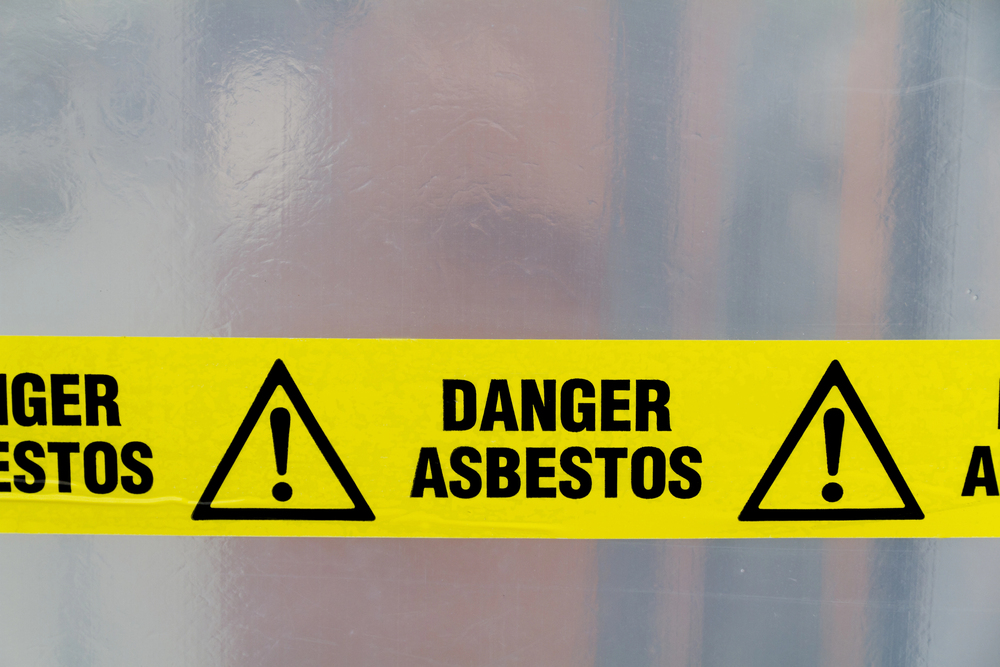
Where asbestos hides in an older property
Asbestos was valued for decades as it was cheap, fire-resistant, and durable, so it was worked into dozens of common building products. In a home or building constructed before the mid-1980s, it can turn up in a long list of materials, and the tricky part is that asbestos-containing versions look identical to modern asbestos-free ones. You cannot tell by looking, only a lab test on a sample can confirm it.
Common in flooring & ceilings
Vinyl floor tile and the black mastic beneath it, sheet flooring and its backing, textured and stipple ceilings, and the drywall joint compound used throughout mid-century homes, all frequent sources, and all easily disturbed by routine renovation.
Common in insulation & mechanicals
Pipe and duct insulation, old boiler and furnace insulation, plaster, cement board and siding, roofing products, and vermiculite attic insulation. Many of these are friable, meaning they crumble easily and release fibres readily.
This is why a proper inspection samples multiple suspect materials throughout a property rather than assuming. For a homeowner planning a kitchen gut, a basement development, or a flooring replacement, testing first maps exactly what's present and where, so the work can be planned around it, whether that means removing the material safely beforehand or working in a way that leaves it undisturbed.
It is well worth being clear about one thing: asbestos in good condition, sealed and undisturbed, frequently doesn't need to be removed at all. A credible contractor will tell you when leaving material in place is the correct call rather than pushing removal you don't need. The decision depends on the material's condition and whether your plans will disturb it, which is exactly what testing and a professional assessment are for.
See how asbestos abatement works
A short look at how asbestos is safely tested for and removed.
Why asbestos is taken so seriously
The care and regulation around asbestos exist for a real reason. If asbestos-containing material is disturbed, it releases fibres far too small to see, and when those fibres are inhaled they can lodge deep in the lungs, where the body cannot break them down.
Serious, delayed disease
Long-term exposure is linked to asbestosis, lung cancer, and mesothelioma, a rare, aggressive cancer caused almost exclusively by asbestos. These diseases typically take decades to appear, which is part of what makes asbestos so insidious.
No safe level
There's no established safe level of exposure, which is why the standard is to prevent fibre release entirely rather than tolerate some amount of it. That's the whole logic behind containment.
DIY spreads it
A removal that skips containment doesn't just risk the person doing it, it can spread fibres through carpets, furniture, and ductwork and expose a household for a long time afterward.
None of this is cause for alarm about intact, undisturbed material. It's the reason that when asbestos does need to come out, it is worth having done properly, by someone with the containment equipment, training, and disposal access the work requires.
What local contractors deal with
From testing and inspection to full removal, here's the range of asbestos work the asbestos abatement contractors we connect you with deal with across Vancouver.
Asbestos Testing & Inspection
Professional sampling and accredited lab analysis that tell you exactly what contains asbestos before you renovate.
Residential Asbestos Removal
Safe removal of asbestos from an older home's flooring, ceilings, drywall, and insulation, under full containment.
Commercial Asbestos Abatement
Compliant abatement for offices, retail, and multi-unit buildings, planned around a working, occupied space.
Popcorn Ceiling Removal
Testing and safe removal of asbestos popcorn and stipple ceilings, so a cosmetic upgrade stays safe.
Vermiculite Insulation Removal
Specialized removal of loose Zonolite-era attic insulation that may be contaminated with asbestos.
Emergency Asbestos Response
Fast containment and cleanup when asbestos has been disturbed by a reno, flood, fire, or demolition.
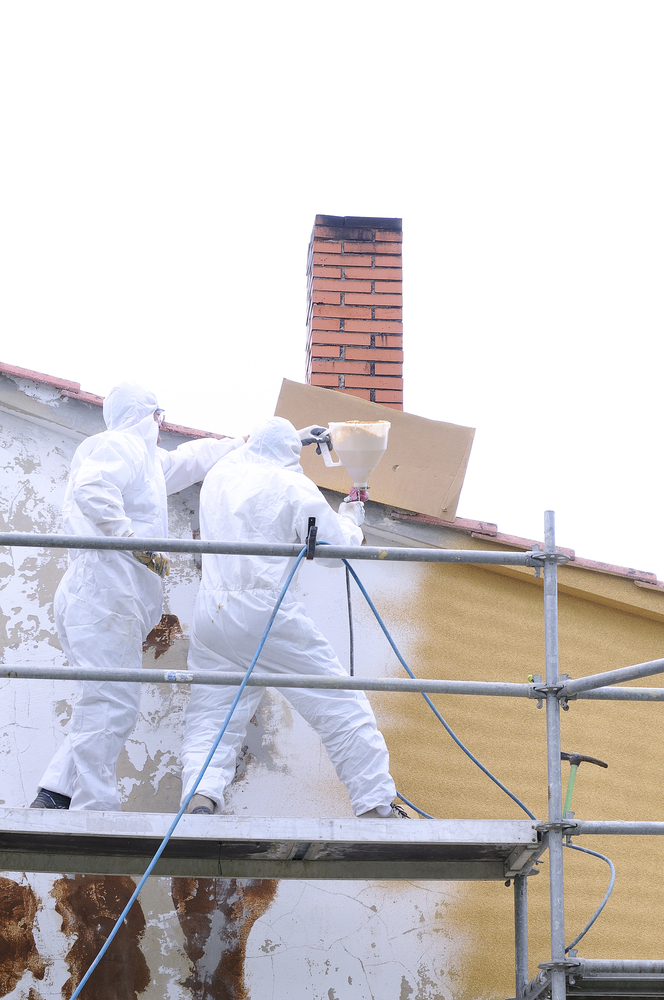
How a professional abatement runs
A thorough project follows a clear sequence: inspection and testing to confirm what contains asbestos, then a planned scope covering what's removed, how the area is contained, and how the waste is handled. Before removal, the area is sealed with plastic sheeting, the HVAC is shut down and sealed, and HEPA negative-air units are set up.
The removal itself is done with the material kept wet to suppress fibres, by workers in respiratory protection, with the waste bagged and sealed inside the containment. Afterward the area is HEPA-cleaned and, in many cases, air clearance testing confirms it's safe before the space is reoccupied and the waste goes to a licensed disposal site.
What does asbestos work cost in Vancouver?
Realistically, it depends. Testing and inspection is the smaller upfront cost, priced by the number of samples and the scope of the survey, and it's the step that tells you whether you need removal at all. Removal cost, when it's needed, is driven mainly by the type and amount of material, how accessible it is, and how much containment the job requires. Removing floor tile from an open room is a very different job from stripping pipe insulation in a cramped mechanical room or clearing vermiculite from an attic.
Proper disposal at an approved facility is a real part of the cost too, since asbestos waste must be sealed, labelled, and taken to a licensed site. As all of this varies so much by property, the only reliable number comes from a contractor who has assessed the specific material and scope. Watch out for a quote given sight-unseen, or a price far below the rest, which frequently signals corners being cut on containment or disposal, exactly where cutting corners is most dangerous.
Want a real number for your property? The fastest way is a quick call. Tell us the age of the building and what you're dealing with, and a local contractor can get back to you with next steps and a price.
Why professional abatement beats DIY
A homeowner can legally do some of their own asbestos work in certain circumstances, but doing it safely requires equipment, training, and disposal access most people don't have. The difference isn't regulatory box-ticking, it's real.
The containment gap
Without negative-air HEPA systems, proper sealing, respiratory protection, and wet-removal technique, a well-meaning homeowner can release fibres that settle throughout the home and expose the family far longer than the original job. Fibres are invisible and odourless, so there's no feedback telling you it went wrong until it's too late.
The disposal gap
Asbestos waste can't go in regular garbage. It must be sealed, labelled, and taken to a facility licensed to accept it. A professional abatement contractor has that disposal chain in place, along with the training to contain fibres at the source and the assurance that the property is genuinely safe afterward.
For a hazard with no safe exposure level and irreversible health consequences, that assurance is the whole point, and it's why the standard advice is to have asbestos handled by a professional abatement contractor.
Neighbourhoods and areas we cover
We're local to Vancouver. We connect property owners with asbestos contractors right across the region, from the mature neighbourhoods like Kitsilano, Mount Pleasant, Kerrisdale, and Shaughnessy to the nearby cities like Burnaby, New Westminster, and North Vancouver, exactly the older housing where asbestos is most common.
Kitsilano
Kitsilano is a classic west-side Vancouver neighbourhood of pre-war Craftsman houses and character homes near the beach.
Mount Pleasant
Mount Pleasant is one of Vancouver's oldest neighbourhoods, often called its first suburb.
Grandview-Woodland
Grandview-Woodland is an East Vancouver neighbourhood of early-1900s houses centred on Commercial Drive.
Kerrisdale
Kerrisdale is an established west-side Vancouver neighbourhood of 1920s-to-1940s character homes on tree-lined streets.
Dunbar-Southlands
Dunbar-Southlands is a quiet west-side Vancouver neighbourhood of pre-war and mid-century homes near Pacific Spirit Park.
West Point Grey
West Point Grey is a west-side Vancouver neighbourhood of early-1900s character homes near the beach and UBC.
Shaughnessy
Shaughnessy is a prestigious west-side Vancouver neighbourhood of grand 1910s-to-1930s mansions.
Hastings-Sunrise
Hastings-Sunrise is an East Vancouver neighbourhood of early-1900s and post-war homes near the PNE.
Marpole
Marpole is a south Vancouver neighbourhood of pre-war and mid-century homes near the Fraser River.
New Westminster
New Westminster is the historic city on the Fraser River east of Vancouver.
North Vancouver
North Vancouver sits across Burrard Inlet at the foot of the North Shore mountains.
Don't see your neighbourhood? We cover all of Vancouver and the areas right next to it. Call (778) 562-8156 and we'll point you to a local contractor.
Choosing a contractor for asbestos work
Asbestos abatement is a health-and-safety matter, so the contractor matters as much as anything. A few things worth doing before you commit, whoever you hire:
Get it in writing
Ask for the full scope, the procedure, and the price in writing before any work or deposit. A clear written quote protects both sides.
Confirm their coverage yourself
Confirming a contractor's certification, insurance, and credentials is your responsibility as the property owner. Ask for it directly and verify it before hiring.
Watch out for pressure
Be cautious of anyone demanding a large upfront deposit, quoting sight-unseen, or pushing you to decide on the spot. A credible contractor is comfortable letting you check and think it over.
We operate this website and connect you with an independent local contractor, and the conversation starts with a call, no commitment until you've talked it through and you're comfortable with the plan and the price.
If to think about asbestos
For anyone buying, selling, or renovating an older property in the Vancouver area, asbestos is worth thinking about before the work rather than during it. The ideal moment to test is before you buy, or at least before you renovate, as that's when knowledge changes your decisions rather than just your cleanup bill.
A pre-purchase inspection on an older home tells you what you're taking on and can inform your negotiation or renovation budget. Before any renovation, testing lets you plan the scope properly, either removing asbestos-containing materials safely first through residential removal, or designing the work to leave them undisturbed. If you have a textured ceiling you want gone, our popcorn ceiling removal page covers testing it first, and if you have loose attic insulation, the vermiculite removal page explains why it's handled differently.
There's also a regulatory dimension: in British Columbia, work that disturbs asbestos above certain thresholds requires specific notification and procedures. For a homeowner, the practical takeaway is simple, on any property built before the mid-1980s, treat asbestos testing as a normal first step of any substantial renovation, the same way you'd check for permits. And if asbestos has already been disturbed, our emergency response page explains what to do.
Asbestos and the Vancouver-area housing stock
What makes asbestos such a routine consideration in Vancouver is simply the age and history of the region's buildings. The city expanded through the post-war boom and again through the 1960s, 1970s, and early 1980s, the exact decades when asbestos was standard in residential and commercial construction, so a very large share of the metro's homes and buildings date to the period when it was in everyday use. The mature neighbourhoods full of early-1900s and mid-century character homes, and the established suburbs and surrounding communities built out through the 1960s to 1980s, together represent an enormous stock of property where asbestos is common rather than rare.
On top of that age, Vancouver has an active renovation and infill culture. Older homes are constantly being updated, their basements developed, their kitchens and bathrooms modernized, and in some neighbourhoods torn down for new builds. Every one of those activities is a moment when asbestos can be disturbed, which is why testing before the work is so much more than a formality here.
None of this is cause for alarm about intact, undisturbed material, which is frequently best left in place. But it does mean that on any older Vancouver-area property, asbestos should be assumed possible and tested for before a renovation, not treated as an unlikely surprise. A contractor who knows the local housing stock knows which materials to expect in a 1920s character home versus a 1970s suburban bungalow, and plans the work accordingly. That local knowledge, paired with proper testing and containment, is what turns a potential hazard into a managed, well-understood part of owning an older home.
Common questions
How do I know if my Vancouver home has asbestos?
You can't tell by looking, asbestos-containing materials look identical to modern ones. The only way to know is a lab test on samples. Homes built before the mid-1980s are the most likely to contain it, so testing before any renovation is the safe step.
Is asbestos always dangerous?
No. It's generally only a risk when disturbed and releasing fibres. Intact, undisturbed material in good condition can frequently be safely left in place. The danger comes with cutting, sanding, drilling, breaking, or demolishing it.
Do I need to test before renovating an older home?
On any property built before the mid-1980s, yes. Disturbing asbestos during a renovation can turn a simple project into a costly contamination cleanup and put your family and trades workers at risk.
Can I remove asbestos myself?
It's strongly discouraged. Safe removal requires containment, negative-air HEPA systems, respiratory protection, proper wet-removal technique, and licensed disposal. Without those, a DIY job can spread fibres through your whole home.
Is asbestos work regulated in British Columbia?
Yes. WorkSafeBC rules govern how asbestos work is notified, contained, and performed, with requirements scaling to the type and amount of material. A professional abatement contractor handles these as a routine part of the job.
Is asbestos remediation the same as asbestos abatement?
In everyday use, yes. Remediation, abatement, and removal are all used for the controlled work of dealing with asbestos-containing materials once testing has confirmed them, whether that means removing them, enclosing them, or sealing them in place. Whatever it's called, the work should start with testing and be done under containment. Health Canada advises hiring a professional to test before renovating and a qualified removal specialist if asbestos is found.
Do asbestos abatement contractors in BC need a licence?
Yes. WorkSafeBC requires asbestos abatement contractors to be licensed to operate in British Columbia, and workers doing asbestos abatement on buildings need WorkSafeBC certification. WorkSafeBC keeps an online registry of licensed asbestos abatement contractors, so you can check any contractor yourself before you hire. We don't check licences or certifications; confirming them is up to you.
Get your Vancouver property tested for asbestos
Talk to a local contractor about your property and get a straight answer on next steps and cost.
Call (778) 562-8156Disclaimer: Vancouver Asbestos Abatement operates this website and connects property owners and businesses in Vancouver with independent local asbestos abatement contractors. We are not an asbestos abatement contractor, do not perform, supervise, or warrant any asbestos abatement work, and are not a party to any agreement you make with a contractor. We do not verify or confirm any contractor's insurance, licensing, or credentials; confirming those is your responsibility as the end client. Calls placed through this site may be routed to an available local contractor. We accept no liability for any contractor's work, materials, conduct, or business practices. As a general note of caution, be wary of anyone demanding a large upfront deposit before any work or materials are scheduled, and get the full scope and price in writing before you commit. Any indemnification and all matters arising from use of this website are governed by the laws of British Columbia.